Last updated
Overview
Mahi-mahi has a substantial fillet that holds together for a pan finish. The short bath starts the cook, but the hotter center check below remains necessary before serving.
Dry the fish gently and keep the final browning brief once it has reached the checked temperature. Choose properly refrigerated fish and keep it cold during preparation; cooking cannot correct histamine formed through poor temperature control.
Time and temperature
Swipe to see all columns
| Texture | Bath setting | Check before serving | Cook time |
|---|---|---|---|
| Seared FilletApplies to: Four separate fully thawed mahi-mahi portions, each lying flat in its own bag. | 132°F | 145°FCheck before finishing. Hold for at least 15 seconds. | 10–30 minutes |
Before you cook
- Food and size
- Use four separate fully thawed, refrigerator-cold mahi-mahi portions, each lying flat in a bag. The source gives no portion weight or thickness, so the listed time is not a universal ready-to-eat time. Whole fish, a large loin, stuffed fish, and frozen portions need other instructions.
- Preparation
- Season the portions with salt, pepper, and a dry spice mixture, then seal separately without overlap.
- Timing
- Fully submerge in the preheated circulating bath with water space around every bag and start the 10–30-minute bath time at immersion.
- Check and serve
- Use clean utensils, discard bag liquid, and check the thickest center of every portion, avoiding skin and bone. Every checked spot must reach 145°F for at least 15 seconds before final browning or serving. Continue cooking in a skillet or oven and recheck cooler spots; this lower bath needs additional heat. Dry gently, brown briefly, add fresh lemon or herbs, and serve immediately.
- Limits
- These instructions do not cover undercooked service, chilling, storage, reheating, or holding.
Texture and result
- 132°FSeared Fillet
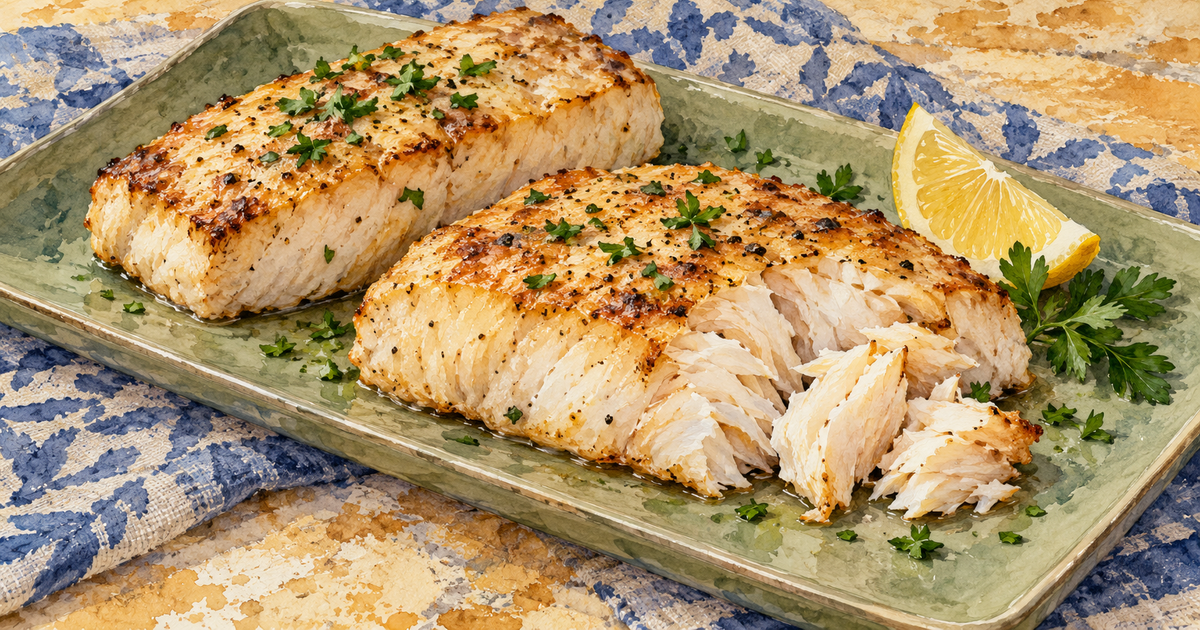
- A firm cooked fillet that separates into substantial flakes after the hotter center check and browning.
Best for
- Four separate fully thawed mahi-mahi portions in individual bags; the source gives no portion weight or thickness.
Get it ready
- Choose four separate mahi-mahi portions from a supplier that keeps fish properly cold. Thaw according to the package instructions and keep refrigerator-cold during preparation.
- Pat dry and season with salt, pepper, and a dry spice mixture if wanted; keep fresh lemon and herbs for serving.
- Place each portion flat in its own food-safe cooking bag, without overlap, and seal.
- Verify the preheated circulating bath at 132°F, fully submerge with room for water around each bag, and start the listed bath time at immersion.
Finish and serve
- Lift the portions with clean utensils, discard the bag liquid, and transfer the fish gently to a clean plate.
- Continue cooking in a skillet or oven until the thickest center of every portion holds at 145°F for at least 15 seconds. Check several spots if thickness is uneven and recheck any cooler area.
- Dry the surfaces gently, then brown briefly in a hot lightly oiled skillet or on a clean hot grill.
- Add fresh lemon or herbs and serve immediately, lifting each portion with a wide utensil.
Useful tips
- Use a wide fish turner to support the whole portion rather than lifting it by one corner.
- Have the pan, thermometer, and serving plates ready before the short bath stage ends.
- Stop the final browning as soon as the surface colors; the center check has already required additional cooking.
Common problems
- The fish becomes dry and chewy
- The hot finish continued longer than needed after the center-temperature check. Check as it cooks, complete the required hold, and keep the final browning brief.
- The portion breaks during turning
- The fish was lifted without support or moved before the surface released from the pan. Dry gently, use a hot lightly oiled pan, and turn with a wide fish turner.
Questions
QIs the 132°F bath enough to make the fish ready to eat?
QDoes the 10–30-minute time fit any fillet thickness?
QCan cooking fix fish that was kept too warm?
QCan I serve it raw or chill it for later?
Cook safely
Buy properly refrigerated fish and keep it cold until cooking. Mahi-mahi can form histamine when kept too warm; cooking does not remove histamine that has already formed.
Follow the package's thawing instructions, including any directions to remove vacuum packaging. Keep raw fish separate from ready-to-eat food, use clean utensils after cooking, and discard bag liquid.
Check the thickest center of every portion, avoiding skin and bone, and check more than one spot if thickness is uneven. Every spot must reach 145°F for at least 15 seconds before the final browning or serving.
Continue cooking in a skillet or oven and recheck cooler spots. The 132°F bath cannot by itself reach that hotter center temperature. Color, freshness, flaking, and a browned surface do not replace the thermometer check. Serve immediately.
These instructions do not cover raw or undercooked service, chilling, sealed storage, reheating, or hot holding.
Sources and further reading
- Sous Vide Mahi Mahi with Corn Salad — Jason Logsdon
Supplies the fillet preparation and short bath stage; the thermometer check needs additional heat.
- FDA Food Code 2022 — Section 3-401.11(A)(1)
Supplies the center-temperature check and 15-second hold for every portion.
- Fish and Fishery Products Hazards and Controls Guidance — FDA, Chapter 7
Explains why buying and keeping mahi-mahi properly cold matters even when it will be cooked.