Last updated
Overview
A rack of lamb brings a row of ribs and a continuous piece of meat to the table. Trimming loose surface fat helps it brown evenly, while keeping the rack intact makes carving part of the finish. The rib bones need protection from puncturing the bag.
This guide selects a warmer bath and a measured center check, giving a firmer result than a low-temperature medium-rare rack. The boneless loin-chop guide has different size limits and cooking instructions.
Time and temperature
Swipe to see all columns
| Texture | Bath setting | Check before serving | Cook time |
|---|---|---|---|
| Carved RackApplies to: Two plain eight-bone racks totaling about 2 pounds / 900 grams, each kept whole and bagged separately. | 149°F | 145°FCheck before finishing. Rest at least 3 minutes after the final heat. | 1–4 hours |
Before you cook
- Food and size
- Use two plain eight-bone racks totaling about 2 pounds / 900 grams, with each rack in a separate bag. This is not a time for a larger roast, crown roast, rolled meat, or boneless loin chops. The source gives no meat-thickness limit, so check the center rather than assuming every rack is ready after an hour.
- Preparation
- Start with fully thawed, refrigerator-cold intact lamb without injection, mechanical tenderizing, stuffing, or curing. Season with salt and pepper. Protect sharp rib ends with a food-safe bone guard rated for cooking, seal without folding the rack, and fully submerge in the preheated circulating bath with water space around each bag.
- Timing
- Start the 1–4-hour bath time at immersion and cook without interruption.
- Check and serve
- Use clean utensils and discard bag liquid. Check the thickest center of each rack in several places, keeping the thermometer away from bone. Each spot must reach at least 145°F before the final browning; continue cooking a cooler rack in a skillet or oven and check again. Brown the fat cap and other meat surfaces, rest at least 3 minutes after the final heat, then carve and serve immediately.
- Limits
- These instructions do not cover frozen starts, larger racks, chilling, storage, reheating, or holding.
Texture and result
- 149°FCarved Rack
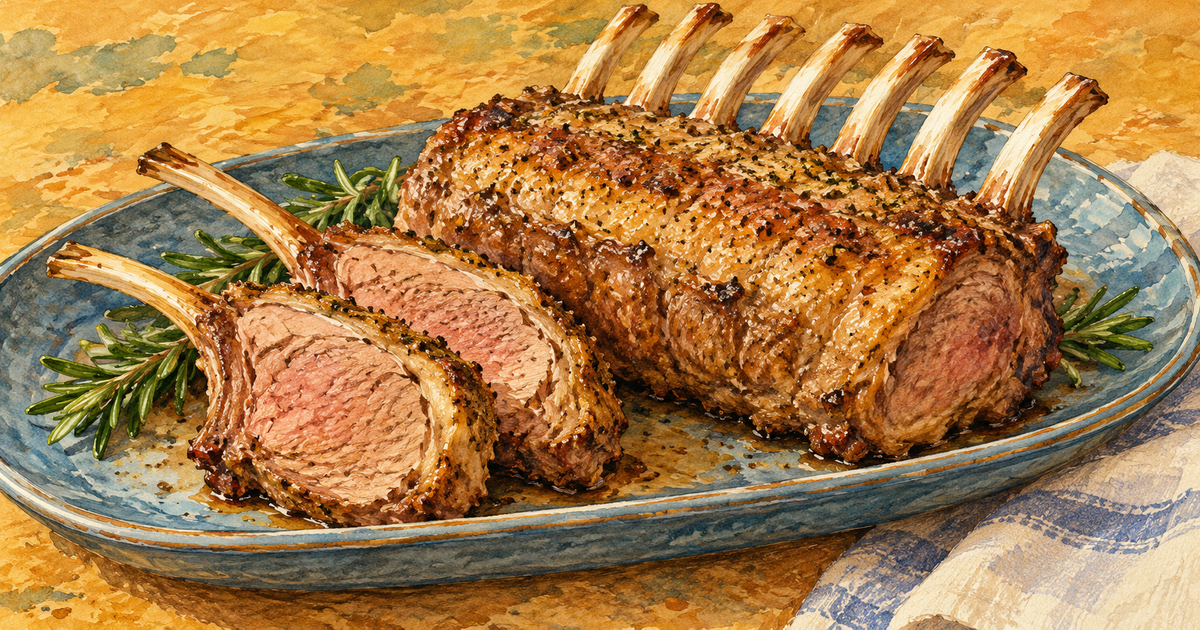
- A firm, juicy rack with a browned fat cap, ready to cut into rib portions after resting.
Best for
- Two plain eight-bone racks totaling about 2 pounds / 900 grams, each kept whole and bagged separately.
Get it ready
- Choose two plain eight-bone racks totaling about 2 pounds / 900 grams. Start fully thawed and refrigerator-cold; trim loose surface fat while keeping the meat on the bones.
- Season with salt and pepper. Protect any sharp rib ends with a food-safe bone guard rated for cooking.
- Seal each rack separately in a food-safe cooking bag without folding or stacking. Leave room in the bath for water to circulate around the meat and bones.
- Verify the preheated circulating bath at 149°F, submerge fully, and start the listed time at immersion.
Finish and serve
- Lift the racks with clean utensils, discard the bag liquid, and dry all exposed meat surfaces.
- Measure the thickest center of each rack in several places without touching bone. Every spot must reach at least 145°F; cook a cooler rack further in a skillet or oven and check again.
- Heat a heavy skillet with a little high-smoke-point oil. Brown the fat cap first, then the other meat surfaces, working one rack at a time if the pan is crowded.
- Rest at least 3 minutes after the final heat, then hold the rack steady and carve between the ribs.
- Plate the rib portions with a fresh sauce or herbs and serve immediately.
Useful tips
- Check the bag around the rib tips before lowering it into the bath.
- Dry the fat cap carefully so it browns instead of steaming.
- Keep the rack intact through cooking and resting; use the separate chop guide for boneless loin chops.
Common problems
- The bag leaks near the bones
- A sharp rib tip punctured the plastic. Protect sharp rib tips and check the bag before cooking. These instructions do not cover resuming a leaking or interrupted cook.
- The fat cap is pale and soft
- The surface was wet or the pan was crowded. Dry the rack thoroughly and brown one rack at a time with the fat cap against the hot pan.
Questions
QCan I use the loin-chop times for a rack?
QIs this a medium-rare rack?
QIs every rack ready after 1 hour?
QWhen should I carve it?
Cook safely
Keep raw lamb and its utensils separate from ready-to-eat food. Use fully thawed, refrigerator-cold intact racks and keep them submerged during the uninterrupted cook.
Use sound bags with protected rib tips; this guide does not cover resuming a leaking or interrupted cook. Use clean utensils after opening and discard bag liquid. Check the thickest center of each rack in several places, away from bone.
Every spot must reach at least 145°F before final browning. Continue cooking a cooler rack in a skillet or oven and check again. Rest at least 3 minutes after the final heat before carving and serving immediately.
The bath time, pinkness, and browned fat do not replace that check. This guide does not cover ground, injected, mechanically tenderized, stuffed, cured, or frozen lamb, chilling, sealed storage, reheating, or hot holding.
Sources and further reading
- Sous Vide Rack of Lamb — J. Kenji López-Alt
Supplies the rack preparation, selected bath range, cooking window, browning, and carving.
- Safe Minimum Internal Temperatures — FoodSafety.gov
Supports the thermometer check and rest before carving.